
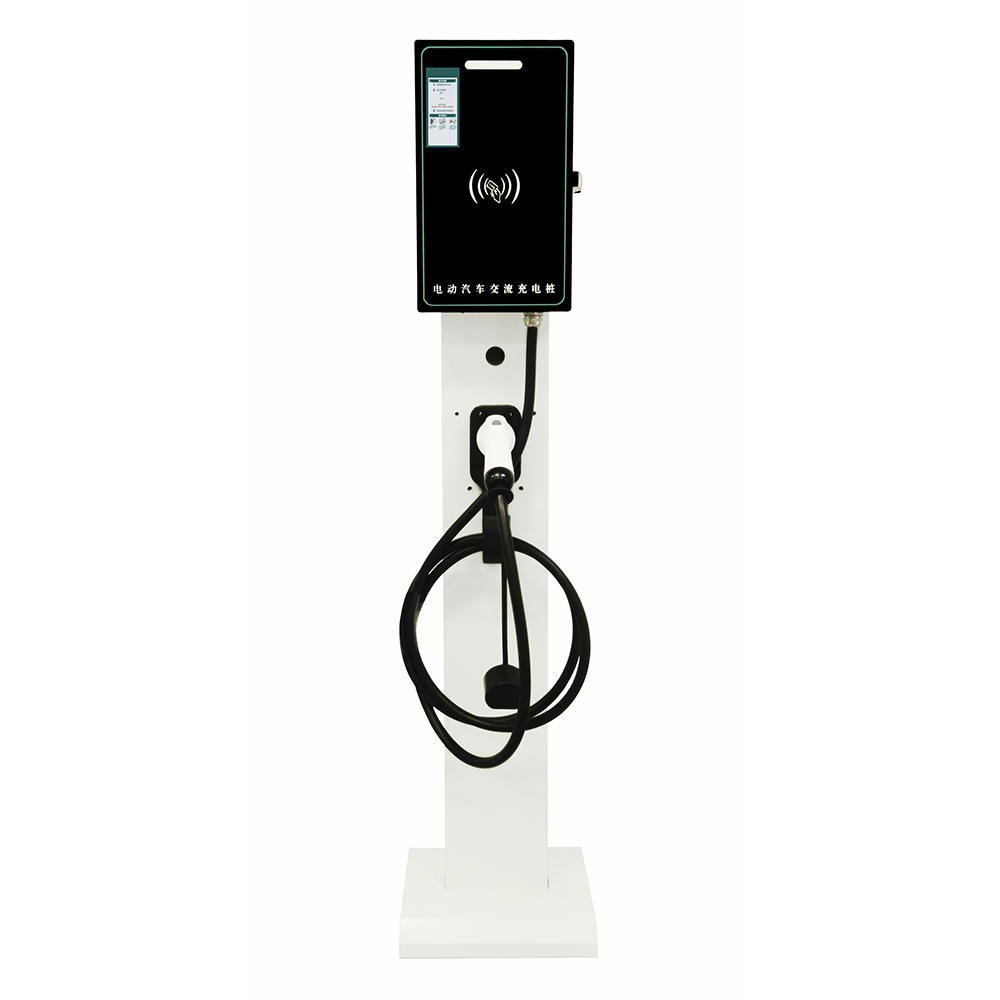
In the continuously evolving landscape of renewable energy, breakthroughs and collaborations in technology are driving the future of sustainable power consumption. One significant advancement is the recent introduction of highly efficient DC EV chargers, designed to meet the growing demand for fast, reliable, and eco-friendly electric vehicle (EV) charging infrastructure. This new technology finds a powerful complement in the expanding capacities of solar energy systems supplied by leading manufacturers specializing in monocrystalline and polycrystalline solar panels, as well as comprehensive on-grid and off-grid solar solutions.
### Enhancing EV Infrastructure with Advanced DC Chargers
Electric vehicles are quickly becoming central to global strategies for reducing carbon emissions and combating climate change. However, the success of electric mobility largely depends on the availability and efficiency of charging stations. The latest generation of DC EV chargers offers rapid charging capabilities, significantly reducing wait times for EV owners and enabling more convenient, widespread adoption.
These chargers deliver direct current (DC) power directly to the vehicle’s battery, bypassing the vehicle’s onboard AC to DC conversion process. This approach results in higher charging speeds, greater energy efficiency, and ultimately, a better user experience. The newly developed DC EV charging solutions are compatible with a wide range of electric vehicle models, ensuring broad accessibility and convenience.
### Synergizing Solar Energy with EV Charging
Integrating EV chargers with renewable energy sources is a pivotal step toward achieving fully sustainable transportation ecosystems. Solar power, with its abundance and renewability, stands at the forefront of this integration. By harnessing solar energy to power DC EV chargers, the carbon footprint of electric vehicle charging can be drastically lowered, reinforcing the green credentials of EV use.
This synergy is made practical through partnerships with leading solar energy providers who manufacture state-of-the-art solar panels and systems. One such company, Jiujiang Xingli Beihai Composite Co., Ltd., is recognized as one of China’s best suppliers of monocrystalline and polycrystalline solar panels, and a professional manufacturer of solar batteries and modules. Their capacity to deliver both on-grid and off-grid solar solutions positions them ideally to support the expansion of renewable energy-powered EV charging infrastructure.
### About the Solar Energy Supplier
Jiujiang Xingli Beihai Composite Co., Ltd. has established itself as a formidable presence in the renewable energy sector. Their core competencies lie in producing high-efficiency solar panels, utilizing both monocrystalline and polycrystalline technologies to cater to diverse applications and geographic needs. Monocrystalline panels, known for superior efficiency and longevity, are well-suited for environments where space optimization is crucial. Conversely, polycrystalline panels offer cost-effective solutions with reliable performance, expanding accessibility for wider deployment.
In addition to panels, Jiujiang Xingli Beihai Composite specializes in manufacturing solar batteries and modules tailored for integration into complex solar systems. These components are crucial for energy storage and management, enabling solar power solutions to deliver consistent, reliable electricity regardless of time or weather conditions.
The company excels in designing and supplying both on-grid and off-grid solar systems. On-grid systems connect directly to the electricity grid, allowing excess solar energy to be fed back and credited, which optimizes energy use and reduces costs. Off-grid systems operate independently, providing power in remote or underserved locations where grid access is unavailable or unreliable. This versatility supports various scenarios, from urban EV charging stations powered by solar arrays to rural installations where grid power is absent.
### Impact on the Green Energy Landscape
The collaborative potential of advanced DC EV chargers coupled with robust solar energy systems is significant. Deploying solar-powered charging stations not only curtails dependence on fossil fuels but also mitigates the environmental impact associated with electricity generation. This is particularly crucial in regions where coal or natural gas dominate the energy mix, as solar integration directly offsets these more polluting sources.
Moreover, fast and reliable EV charging infrastructure driven by renewable energy encourages faster adoption of electric vehicles, facilitating governments’ and industries’ decarbonization targets. It also provides consumers with a sustainable option that aligns with global efforts to combat climate change.
### Looking to the Future
As the demand for clean energy and electric vehicles accelerates, the convergence of DC EV charger technology with advanced solar systems will continue to grow. Companies like Jiujiang Xingli Beihai Composite Co., Ltd. are critical enablers in this transition, providing the technological foundation that supports scalable and sustainable solutions.
Future innovations may focus on enhancing the efficiency of solar panels, improving energy storage technologies, and optimizing the smart grid integration of solar-powered EV charging stations. These advancements will collectively strengthen the renewable energy ecosystem, making clean transportation more accessible and practical worldwide.
In summary, the ongoing development and deployment of cutting-edge DC EV chargers, combined with high-quality solar panels and solar system solutions from leading manufacturers, paint a compelling picture for the future of green energy. This technological synergy promises to reshape how we power our vehicles and our lives, driving us toward a cleaner, more sustainable planet.